


Job fears shift from AI to economic instability
 Reward Strategy
A new survey reveals that British workers now fear economic downturns and rising unemployment more than technological disruptions, signalling a cautious shift in workplace sentiment for 2026.

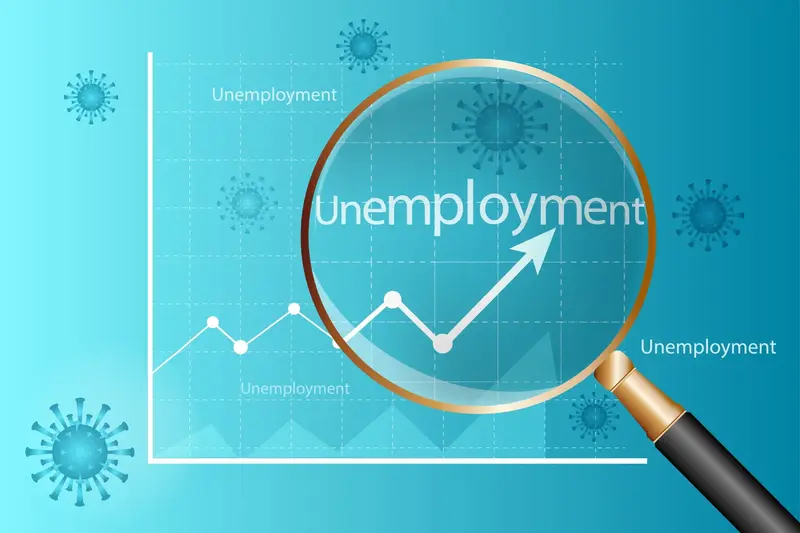
A new survey suggests that British workers are no longer chiefly preoccupied with artificial intelligence when it comes to job losses. Instead, the dominant concern is the economy. MyPerfectCV’s UK Job Security Report 2026 found that 79% of workers are worried about their careers, while 69% said they feel more anxious about their job security than they did a year ago.
Workforce braced for potential layoffs
The report points to a workforce braced for a difficult year ahead. More than four in five respondents said they expect layoffs at their own employer within the next 12 months, with a large share describing that outcome as highly likely. Looking beyond individual companies, 63% believe redundancies across the UK will rise in 2026, and 77% expect unemployment to increase. MyPerfectCV’s career expert, Dr Jasmine Escalera, said concerns about redundancies, a weaker labour market and the wider economic outlook were shaping how employees judged their stability at work.
Cost of living drives anxiety
The anxiety appears to be rooted in day-to-day financial pressure. Nearly three in five workers said they fear their pay will fail to keep pace with rising costs, and a similar proportion cited the cost of living as one of their biggest worries. Recession fears are also widespread, with 92% saying they are concerned about the UK entering recession this year. Workers are not only thinking about whether they could lose their jobs, but also whether they could find another one quickly enough if they did.
Signs of strain in the labour market
That unease is being reinforced by a labour market that is already showing strain. The Guardian reported in January that the collapse of so-called zombie companies could push unemployment higher as firms struggle with elevated borrowing costs, energy bills and wage pressures. More recently, the Workers Union said hiring has slowed sharply, while other market commentary has pointed to fewer vacancies and tougher competition for each role. In that environment, a job loss feels less like a temporary setback and more like a potentially prolonged financial shock.
A more cautious and risk-averse workforce
The result is a workforce becoming more cautious. Workers appear more likely to delay moving jobs, stay put for security and take fewer risks as concerns about burnout, limited progression and broader uncertainty pile up. MyPerfectCV’s findings suggest that, for many employees, the biggest threat to job confidence in 2026 is not technological disruption, but the state of the economy itself.
Join us at the Reward and Payroll Summit for our custom curated sessions on how you can make the most of technology in your organisation- Click here to find out more

The latest Payroll & Reward news in your inbox
Permission Statement